How to Enhance Your Living Spaces With Color Choices
Choosing the right colors for your home’s interior is more than just a style decision; it can dramatically affect the atmosphere and function of each room. From calming tones that promote relaxation to vibrant hues that energize, color plays a crucial role in your home’s overall feel. Understanding how colors influence mood and space can help you make informed decisions that align with your personal tastes and lifestyle needs.

The Impact of Color on Mood
Colors have a significant impact on our emotions and perceptions. Warm colors like reds, oranges, and yellows can create feelings of warmth and comfort but may also evoke excitement or intensity. Cool colors such as blues, greens, and purples tend to be calming and soothing, often used to create a sense of peace in spaces meant for relaxation. Understanding these basic principles helps in choosing shades that match the intended mood of each room.
Considerations for Different Rooms
Each room in your home serves different purposes and thus may benefit from specific color palettes. For example, soft blues or greens work well in bedrooms as they promote tranquility and restfulness. In contrast, living rooms might benefit from warmer tones like beige or light brown to foster a welcoming atmosphere. Those seeking professional assistance should consider interior painting services to get expert advice tailored to their homes.
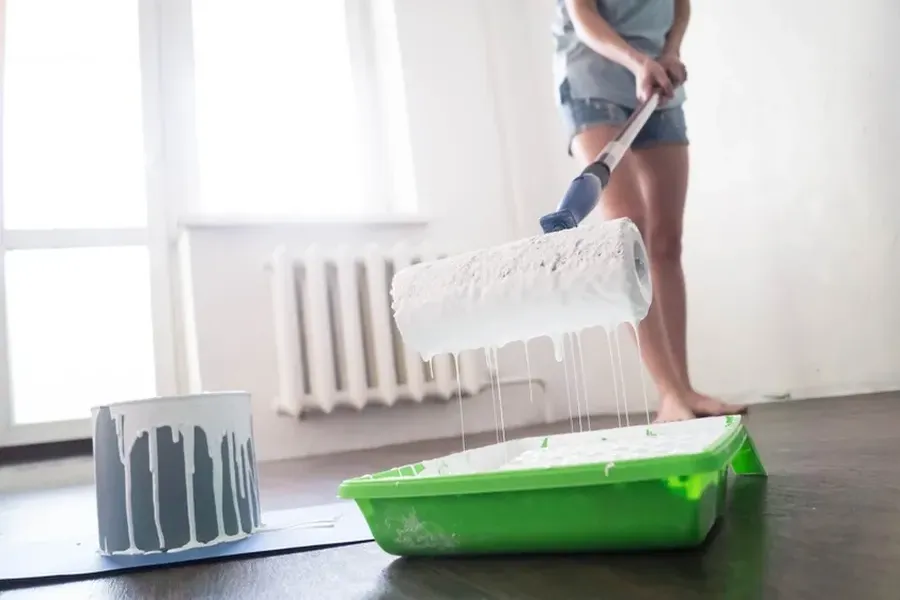
Lighting Effects on Color Perception
Natural and artificial lighting significantly affects how colors appear in a room. A shade that looks perfect in natural sunlight might appear entirely different under artificial lighting. It’s essential to test paint samples at different times of day to see how lighting changes affect color perception. Professionals offering interior painting services can provide insights into how various light sources will interact with your chosen palette.
Color Schemes: Monochromatic, Analogous, and Complementary
Using structured color schemes can enhance your interior design efforts:
- Monochromatic: Consists of different shades of one color, offering a cohesive and understated look.
- Analogous: Uses three colors next to each other on the color wheel, creating a serene and comfortable design.
- Complementary: Combines colors opposite each other on the color wheel, resulting in bold contrasts that add visual interest.
Common Mistakes to Avoid
Avoiding certain pitfalls can save time and resources. One common error is ignoring the existing decor while choosing new wall colors. Every element within a room-from furniture to flooring-can influence how a color appears. Another mistake is selecting too many colors which can result in a chaotic look rather than a harmonious one. Planning with these considerations in mind makes the selection process smoother.
Steps for Choosing the Perfect Color Palette
- Select a core inspiration piece, such as a rug or artwork, to guide your choice.
- Decide on the dominant hue based on this inspiration piece.
- Test several shades of the chosen hue on your walls under different lighting conditions.
- Use accent colors sparingly to complement the dominant shade.
- Consult professionals if you feel overwhelmed by the choices available.
Your Guide to an Inspiring Home Makeover
If you’re ready to transform your home’s interior, consider reaching out to experts in your area for personalized guidance. Our skilled team at Matthew Johnson Handyman LLC ensures high-quality service tailored to your needs. We are located in Hampton, VA, providing top-tier solutions designed to meet your expectations. Call us today at (757) 731-2787 to start your journey toward a beautifully colored home.